When your cat is diagnosed with kidney disease, veterinary treatment often includes medications, intravenous or subcutaneous fluids and a radical change in diet. As a cat owner, you must be able to discuss the...
Bladder stones, also known as uroliths, are a common problem found in the urinary tract and urinary bladder of domestic cats. The crystals form around minerals found in your cat’s urine and, when found...
It’s a shocking sight: One day, while cleaning your cat’s litter, or wiping up an accident he had outside the litter box, you notice that his urine is pinkish in color, or even deep...
Like their human owners, cats can be diabetic. Luckily, just as humans are able to medically control their diabetes, it can be controlled in our pets, too. Amazingly, in some cases, after a while,...
Feline Lower Urinary Tract Disease (FLUTD) and urinary tract infections, or UTI’s, are blanket terms for a number of bladder and urinary tract problems, including infections, cystitis (bladder inflammation), blockages, and stones or crystals...
Kidney disease is one of the leading health problems in cats. There are two main kinds of feline kidney disease: acute kidney disease and chronic kidney disease. Acute kidney disease means the kidneys have...
It’s amazing how much a veterinarian or biologist can learn from something most of us avoid coming into contact with. Your cat’s urine can tell a vet if your pet is sick or well,...
From an uncomfortable retrieval such as Cystocentesis, to the messy disposal of a urine sample, there are plenty of reasons you’d throw your hands up and wish for, oh, some sort of revolutionary biodegradable...
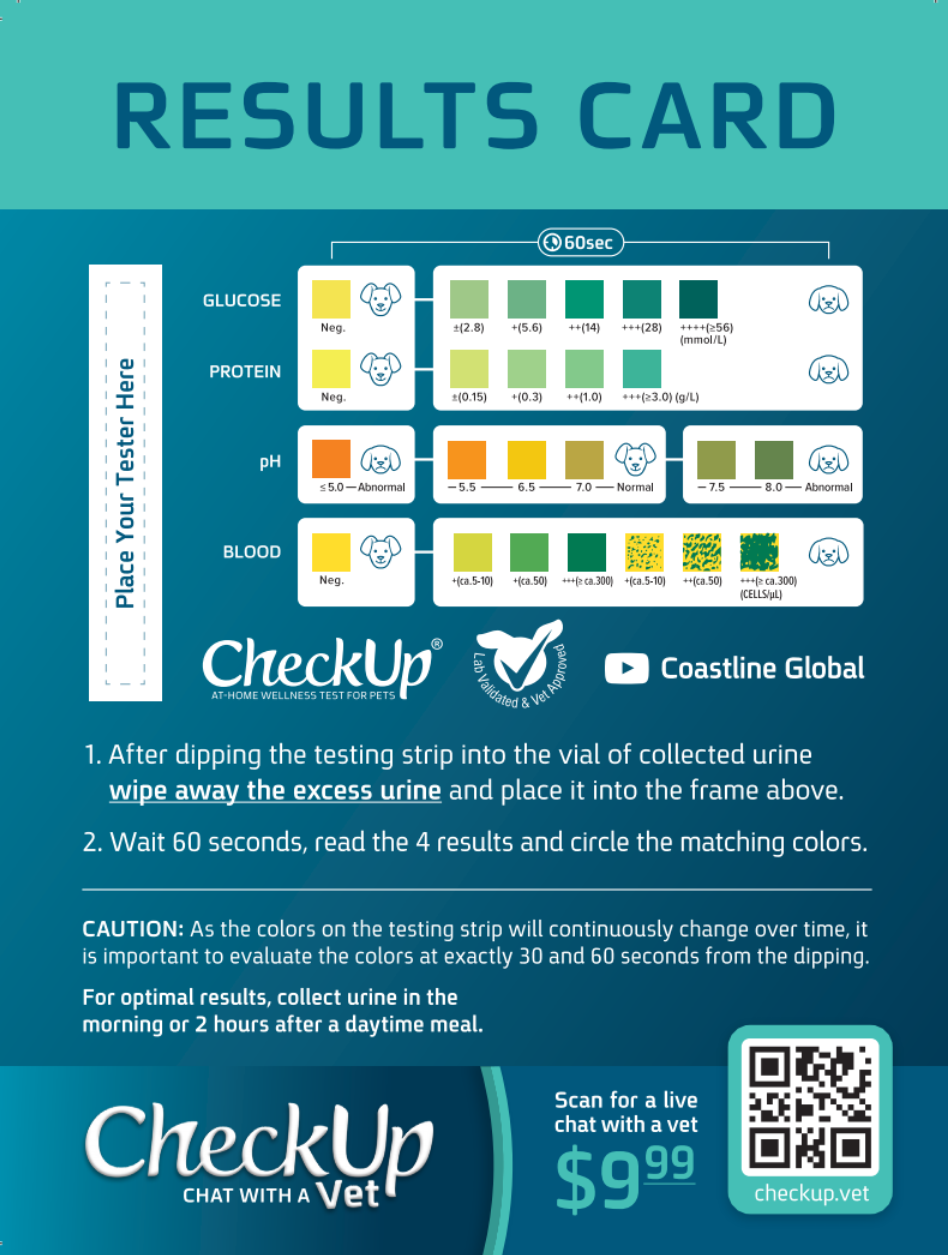
High Glucose Levels can occur in cats with Diabetes or Obesity
Obesity affects 58.3% of cats in the USA
Diabetes affects 1 in every 200 cats in the USA
Regular monitoring of glucose levels in cats with diagnosed Diabetes may be recommended by your veterinarian
Untreated Obesity or Diabetes can result in multiple weight related disorders, including but not limited to: osteoarthritis, hypertension, many different cancers and kidney failure
PROTEIN
High protein levels can indicate Kidney Conditions
Chronic or Acute Kidney Failure has symptoms widely unknown to pet owners including bad breath, lethargy, or weight fluctuation
35% of geriatric cats have kidney related diseases
If either variation of Kidney Failure is undiagnosed in cats, implications include irreversible damage, bone demineralization, cancers, and other life altering conditions
pH
Abnormal pH levels may occur when a Urinary Tract Infection is present
Urinary Tract Infections are fairly common in cats
Elderly cats, and those with Diabetes or Obesity, have higher chances of bladder infections 30% of cats will experience a UTI in their lifetime
Although UTI’s are easily treated, if undetected, they can advance into the kidneys, which can create CKD, kidney stones and cancers
Monitoring pH levels may be recommended by your veterinarian if you have a pet on a specialty diet
BLOOD IN URINE
The presence of blood in urine(Hematuria) may mean many different problems
In cats, Hematuria most commonly indicates the presence of a UTI or other bladder related conditions
The presence of blood in the urine can have serious implications and should not be neglected
HIGH GLUCOSE LEVELS
High Glucose Levels can occur in cats with Diabetes or Obesity
Obesity affects 52.3% of dogs in the USA
Diabetes affects 1 in every 400 dogs in the USA
Regular monitoring of glucose levels with diagnosed Diabetes may be recommended by your veterinarian
Untreated Obesity or Diabetes can result in multiple weight related disorders, including but not limited to: osteoarthritis, hypertension, many different cancers and kidney failure
PROTEIN
High protein levels can indicate Kidney Conditions
Chronic or Acute Kidney Failure has symptoms widely unknown to pet owners including bad breath, lethargy, or weight fluctuation
10% of dogs have kidney related diseases
If either variation of Kidney Failure is undiagnosed in dogs, implications include irreversible damage, bone demineralization and cancers
pH
Abnormal pH levels may occur when a Urinary Tract Infection is present
Female dogs are more at risk of acquiring a UTI than male dogs
Elderly dogs, and those with Diabetes or Obesity have higher chances of bladder infections
14% of dogs will experience a UTI in their lifetime
Although UTI’s are easily treated, if undetected, they can advance into the kidneys, which can create CKD, kidney stones and cancers
Monitoring pH levels may be recommended by your veterinarian if you have a pet on a specialty diet
BLOOD IN URINE
The presence of blood in urine(Hematuria) may mean many different problems
In dogs, Hematuria most commonly indicates the presence of a UTI
A UTI may also indicate kidney disease, kidney stones, infectious disease, leukemia, lymphoma, and many more life altering diseases